
Call us now :08071930518
 Send Inquiry
 Send Inquiry
Rolling Mill Rolls
Rolling Mill Rolls Specification
- Power Source
- Electric
- Noise Level
- Low
- Spindle Speed
- Up to 2400 RPM (Varies with roll type and mill specification)
- Cutting Speed
- Up to 40 m/min (Depends on rolling application)
- Application
- Hot Rolling Mills, Cold Rolling Mills, Steel, Copper, Aluminum, Section Mills, Wire Rod Mills
- Tool Type
- Roller
- Product Type
- Rolling Mill Rolls
- Material
- Alloy Steel / Cast Iron / Chilled Cast Iron / Forged Steel
- Computerized
- No
- Automatic Grade
- Manual / Semi-Automatic / Automatic (as per customer requirement)
- Control System
- Manual, PLC-Based (Optional)
- Drive Type
- Electric
- Voltage
- 220-440 V
- Weight (kg)
- From 500 to 8000 kg (customized as per order)
- Dimension (L*W*H)
- Custom sizes available
- Capacity
- Up to 10000 tons/year (Depends on application and type)
- Feature
- High Strength, Wear Resistance, Smooth Surface Finish, Durable Performance
- Color
- Metallic Gray
- End Application
- Structural, Profile, Bar and Rod Rolling, Plate Rolling
- Wear Resistance
- High
- Core Hardness
- 30 to 50 HSD
- Heat Treatment
- Annealed, Normalized, Induction Hardened, Tempered
- Crack Resistance
- High
- Surface Hardness
- 50 to 95 HSD (varies by roll type)
- Surface Finish
- Ground/Polished/Machined
- Manufacturing Process
- Centrifugal Casting, Static Casting, Forging
- Customization
- Available on request
- Roll Diameter Range
- 150 mm to 1500 mm
- Roll Length Range
- 500 mm to 5000 mm
About Rolling Mill Rolls
We are offering here the Rolling Mill Rolls that is the simplest batch mixing equipment. The principal design consists of two horizontal rolls, usually of equal size, arranged side by side and rotating toward each other at different speeds. Rolls are a tool to produce plastic deformation of the metal. It is an important consuming part to determine the efficiency and quality of the rolling mill. The offered Rolling mill rolls are made for use in various applications as per the need.
Precision Engineering for Demanding Applications
Our rolling mill rolls are designed for use in hot and cold rolling mills, section mills, and wire rod mills. Manufactured with advanced heat treatmentssuch as annealing, normalizing, induction hardening, and temperingeach roll delivers consistent hardness and excellent performance. The customizable sizes and materials accommodate a diverse range of applications in the steel, copper, and aluminum sectors.
Superior Surface Finishes and Longevity
Engineered with ground, polished, or machined surfaces, our rolls provide smooth finishes essential for high-quality output in structural and plate rolling. The high wear and crack resistance significantly extend roll life, reducing operational downtimes and maintenance requirements, making them a reliable choice for manufacturers, suppliers, and traders in India.
FAQs of Rolling Mill Rolls:
Q: How are the rolling mill rolls customized to meet specific mill requirements?
A: Our rolls can be tailored in material (alloy steel, cast iron, chilled cast iron, forged steel), diameter (1501500 mm), length (5005000 mm), and surface finish (ground, polished, machined) as per individual customer specifications. Control systems and automation levels are also configurable.Q: What is the manufacturing process used for these rolling mill rolls?
A: Depending on the application, rolls are produced using centrifugal casting, static casting, or forging methods, followed by advanced heat treatments such as annealing, normalizing, induction hardening, and tempering for optimized performance.Q: When should I select induction hardened rolls versus annealed rolls?
A: Induction hardened rolls are recommended for applications demanding high surface hardness and wear resistance, while annealed rolls are suitable for processes prioritizing toughness and machinability. The choice depends on your rolling mill process and the material being worked.Q: Where are these rolling mill rolls commonly used?
A: These rolls are widely used in hot and cold rolling mills, steel, copper, and aluminum mills, section and wire rod mills, and plate rolling operationsserving structural, profile, bar, rod, and plate rolling needs.Q: What benefits do these rolling mill rolls offer in terms of performance and lifespan?
A: With high wear and crack resistance, these rolls offer longevity, reduced maintenance, and consistent surface quality, resulting in optimal productivity and minimized production downtime.Q: How does the high surface hardness of up to 95 HSD contribute to roll performance?
A: A higher surface hardness improves resistance to wear and deformation, allowing the rolls to withstand demanding operational conditions and deliver a more uniform product surface finish over their service lifespan.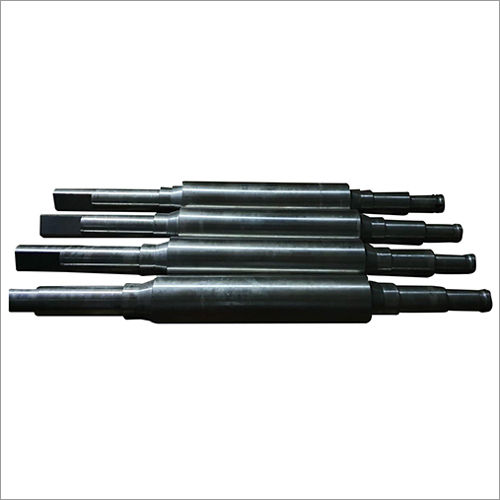
Tell us about your requirement

Price:
Quantity
Select Unit
- 50
- 100
- 200
- 250
- 500
- 1000+
Additional detail
Mobile number
Email


 Send Inquiry
Our Products
- Industrial Pumps
- Water Treatment Plant
- Induction Heating Machine
- Removal Plant
- Electrical Products
- Canalloy Bushes
- Cold Rolling Mill Spares
- Galvanizing Spare Units
- Mechanical Products
- Gold Silver Melting Furnace
- Non Sticking Anti Corrosive Paints
- Zinc Dross Reducing Flux
- Bearing Heaters
- Centrifugal Fan Blower
- Worm Wheel
- Mechanical Gear
- Ring Gear & Pinion
- Rolling Mill Rolls
- Copper Flexible Jumpers


20 B, Shyampukur Street,Kolkata - 700004, West Bengal, India

Mr Abhijit Nandan
(Manager)
Mobile :08071930518
 Send Inquiry
 Send SMS
Developed and Managed by Infocom Network Private Limited.
